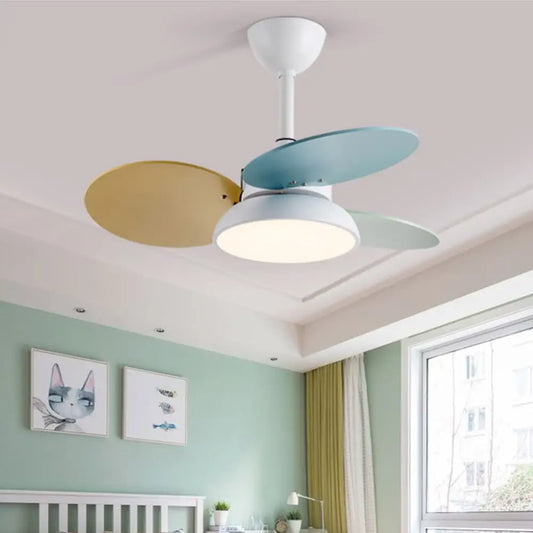
Choosing a DC motor fan for your room
DC describes the motor technology. For shoppers, its appeal is the potential for efficient operation and flexible speed adjustment. Choose a complete fan that fits your room and routine: motor type alone does not tell you its size, lighting or controls.
Start with your daily routine
- For rest: Put a comfortable low-speed setting and easy bedside adjustment high on your shortlist.
- For shared living spaces: Decide whether you prefer changing the speed from the sofa or from a fixed control by the doorway.
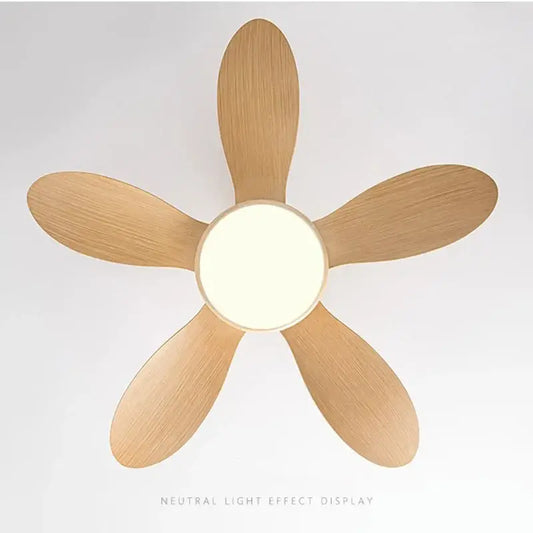
- For existing lighting: Keep the lamps or pendants you already enjoy; a fan without a light can serve a separate purpose.
Compare the complete fitting
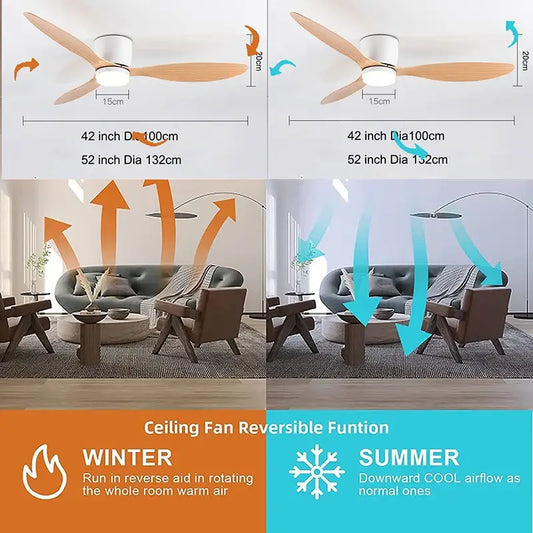
- Size and drop: Measure the room and ceiling height before choosing a blade span and mounting style. A suitable footprint matters more than motor type for how the fan fits.
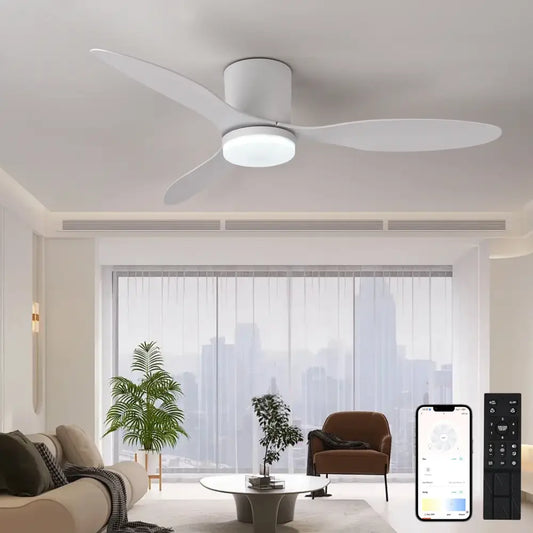
- Light and fan together: If you want one fitting to do both jobs, look for the light output and the controls you will use separately.
- The version you order: Some listings offer different motor or control options. Where the motor type is not stated, ask for the selected version's specification before ordering if DC is essential to your choice.
Turn your priorities into a shortlist
Turn your priorities into a shortlist
| Your priority | Put this first | Then decide |
|---|
| Adjusting from bed or a sofa | Handheld control and usable speed settings | Which control package to order |
|---|
| A fixed place to operate the fan | A compatible wall-control option | Whether you also want handheld operation |
|---|
| Keeping existing room lighting | A clearly identified no-light version | The finish and outline that work with nearby lights |
|---|
| Adding a central ceiling light | Light output and separate fan/light operation | Whether the light needs to dim |
|---|
| Fitting a lower ceiling | Overall installed drop and mounting instructions | Which size works within the available space |
|---|
These are ways to compare options, not features included with every fan.
Back to Ventilateur de plafond à moteur DC
Ventilateur de plafond à moteur DC Questions
What does DC mean in a ceiling fan?
DC stands for direct current and describes the motor. It is one part of the fan's design, alongside its blades, light and control system. Use it to compare motor options after finding a size and mounting style that suit the room.
Is a DC fan worth choosing over an AC fan?
A DC model is worth comparing if you use the fan often and value efficient operation or a wider choice of speed settings. For occasional use, compare the purchase price and the controls you actually need. Choose between complete models rather than paying for the motor label alone.
Will a DC ceiling fan be quiet enough for a bedroom?
For a bedroom, compare how the fan behaves at the speed you expect to use while resting. Motor type is only part of the picture: blade design, balance and installation also affect sound. Model-specific sound information is more useful than a general 'silent' description.
Do more speed settings mean stronger airflow?
No. More settings give you more steps between low and high operation; they do not, by themselves, mean more air movement. Compare stated airflow for the intended speed when available, and use the lower settings to judge whether the fan offers the gentle adjustment you want.
Can I keep my existing wall control?
Only if it is compatible with the chosen fan and its control system. Identify the existing control and match it to the fan manufacturer's supported setup before planning to reuse it. A remote-control or combined-control option is not automatically compatible with an existing wall controller.
Does a remote-control option include everything I need?
The useful comparison is the complete control package: handset, receiver where required, and any wall control you want. The listed package contents should identify these parts. An option named 'double control' does not by itself tell you which accessories come in the box.
How can I compare electricity use between two fans?
Compare the stated fan input power at similar operating settings and consider how long you normally run the fan. Keep light consumption separate where the specification allows. A higher wattage can accompany a larger fan or stronger airflow, so watts alone do not show which model will suit you better.
Can the light and fan be used separately?
Independent light and fan controls are useful when you want airflow without light at bedtime, or light without airflow in cooler weather. Select a version whose controls explicitly offer those separate functions; dimming and changing light color are additional features to compare.