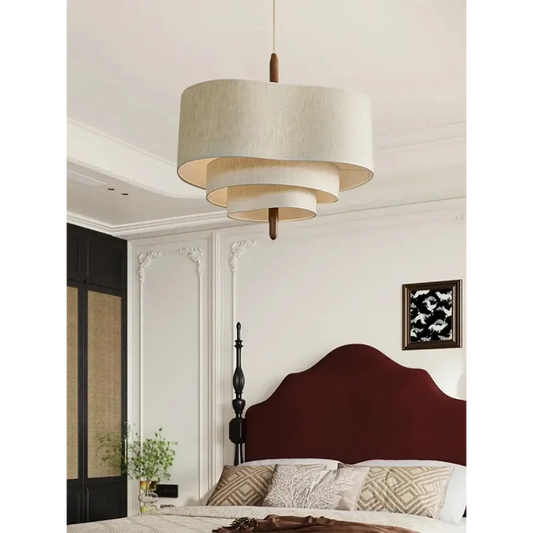
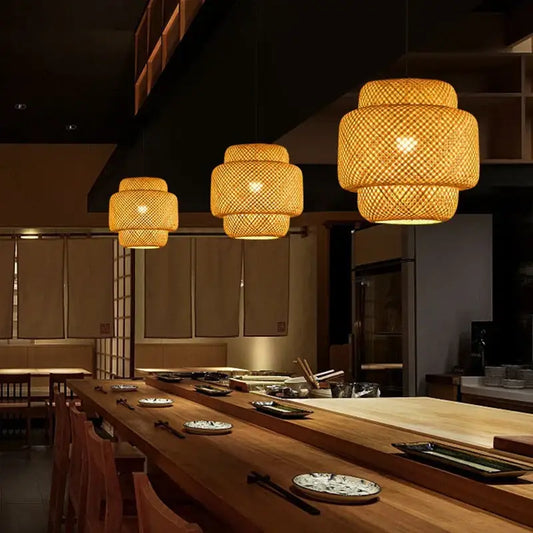
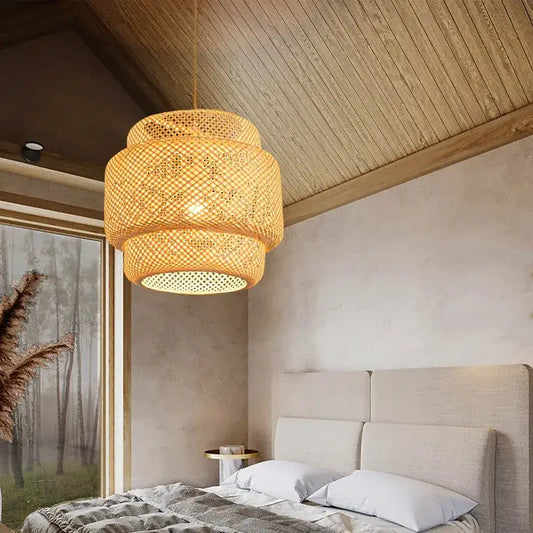
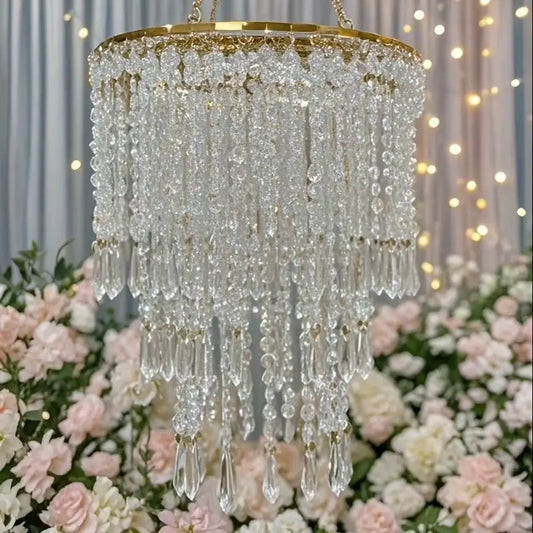
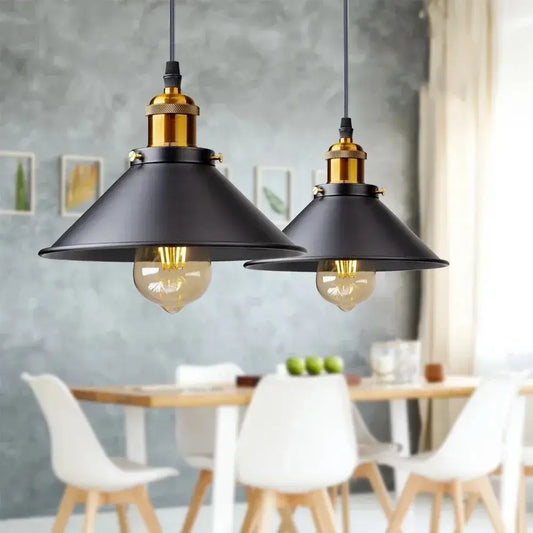
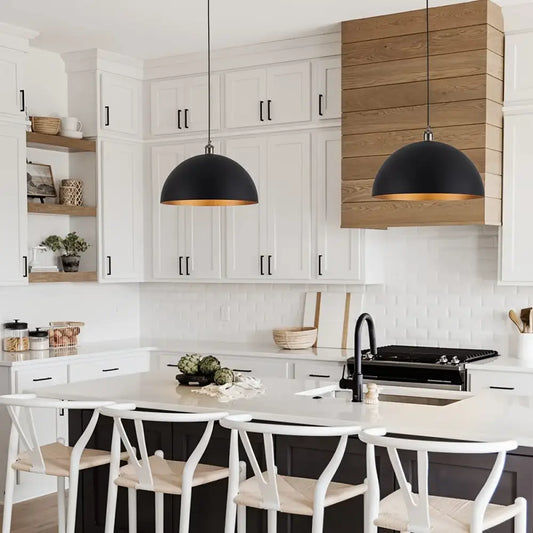
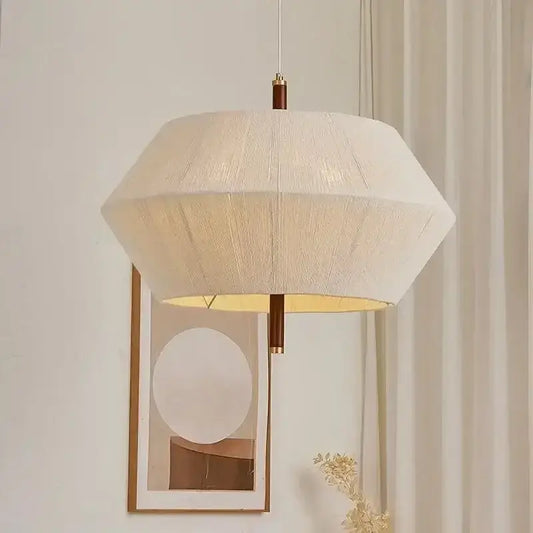
Collection: Suspensions

Compare pendant lights for kitchen islands, dining tables, bedrooms and everyday spaces. Start with the surface below, then check size, spacing, hanging height and the product’s listed installation details.

Need help with size and placement?

88 produits

About Suspensions

Pendant lights bring focused light closer to the surface you use. They can define a dining table, brighten a kitchen island or add a softer pool of light to a corner without taking over the whole room.

Start with the surface below, the ceiling height and the way you use the space. Then compare the fixture width, total drop, number of lights and the product’s listed installation details.

How to choose a pendant light

1. Match the pendant to the job

Choose the form around what you need to light. A single pendant suits a small zone, a linear fixture follows a long surface, and several pendants can spread light across an island or table. Use this as a comparison starting point, then confirm the product details.

Single pendant

Consider one for a bedside, corner or small table. Check shade width and whether the light blocks your view.

Explore bedroom pendants
Linear pendant

One continuous form for a long surface. Compare overall length and the mounting requirements.

Explore linear pendants
Multi-light pendant

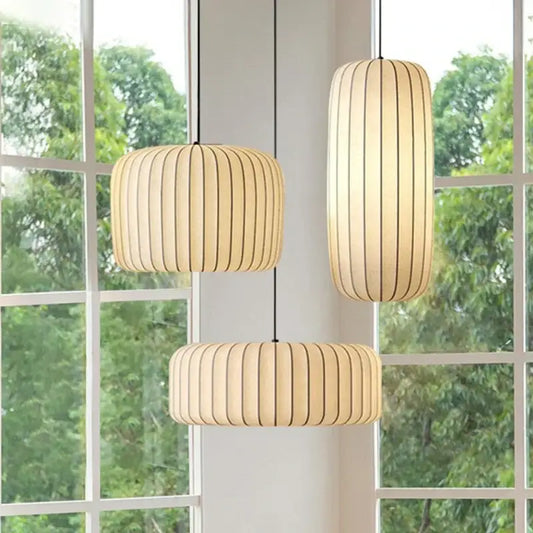
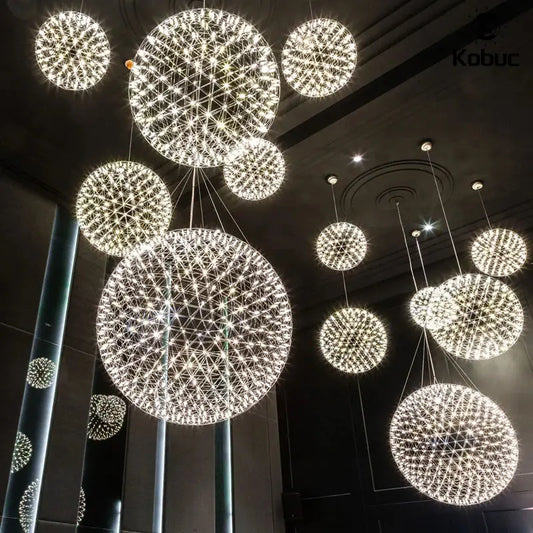
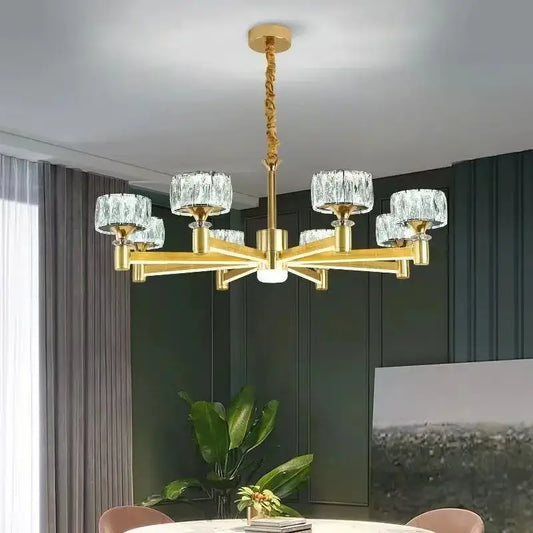
One shared ceiling cover (canopy) with several lights. This staggered cluster is one example; arrangements vary. Check the size of the ceiling cover and the longest drop.

Compare available pendants

A multi-light fixture with one shared ceiling cover is different from several independent pendants, which may need separate mounting points. Check the product’s installation details rather than judging by its name or image.

2. Check size and hanging height

Measure the space and compare the actual shade width and total hanging drop. For a bedside or corner pendant, check nearby furniture and whether the light blocks your view; there is no single table-width formula that fits every location.

Measure the drop you need Total drop = ceiling-to-surface distance − desired gap below the light Example only: a ceiling 60 in above the countertop, minus a 32 in gap, gives a 28 in total drop (about 71 cm). Confirm the product’s measurement points and adjustable range. This is not the cord-cutting length.

Swipe the table to see all three columns.

Quick checks before you compare products
Use caseStarting pointWhat to verify
Dining tableKeep the fixture visually inside the table footprint.Table length, fixture length and whether the light blocks your view.
Kitchen islandLinear fixtures often suit long islands; separate pendants allow more flexible spacing.Cabinet doors, work zones and the total drop.
Multiple pendantsMock up the actual shade sizes before choosing two or three.Measure center-to-center spacing separately from the gap between shade edges.
Pendant drop and countertop clearance Total drop 28 in 71 cm 32 in gap 81 cm table / island surface
Side view of the example: 28 in total drop plus a 32 in gap equals 60 in from ceiling to countertop. The commonly used 30–36 in table/countertop planning range is not a walkway clearance rule. Check whether the light blocks your view and read the product’s instructions.
Planning equal spacing for two or more pendants

Example: a 90 in surface, three 12 in diameter shades, and 15 in from each end to the nearest light’s center. All dimensions below are in inches.

Three-pendant spacing: worked example Surface length: 90 in1530301512 in shade18 in clear gap
Top view: circles represent shade widths, not light coverage. End measurements run to the light centers, not shade edges.
Center spacing(Surface length − both end-to-center distances) ÷ (number of pendants − 1)(90 − 15 − 15) ÷ (3 − 1) = 30 in
Gap between equal-size shadesCenter spacing − shade diameter = 30 − 12 = 18 in

Rounded metric equivalents: surface 229 cm; shades 30 cm; end-to-center 38 cm; center spacing 76 cm; clear gap 46 cm. Calculate using one unit system before rounding.

This example applies to two or more equally spaced pendants with equal-size shades. It does not recommend three lights for every surface or specify minimum safe clearances. Check whether the lights block your view, plus actual shade sizes and mounting positions.

3. Choose light you can live with

Think about what you will see when sitting, cooking or reading. Compare the shade, light source and controls—not just the color of the fixture. A decorative pendant may need other lighting alongside it.

Think about the light, not just the finish
ChoiceWhat to check
Exposed bulb or clear shadeCheck whether the bulb is in your view when seated. Brightness and dimming compatibility matter; clear glass does not guarantee comfortable light.
Diffusing shadeCan soften the view of the light source. Check actual brightness and whether the bulb remains visible from below.
Opaque shadeLight exits through the openings rather than the solid shade. Check the opening direction and access for cleaning; other room lighting may still be needed.
Replaceable bulb or integrated LEDConfirm the bulb base or built-in LED specifications, color temperature, replacement options and supported dimming controls.
Before you order
  • Measure ceiling height and the surface below.
  • Check whether the product is intended for the mounting situation you have.
  • Ask our support team for missing product specifications. Have a qualified installer assess wiring, ceiling support and local installation requirements.
Ask about product specifications

Pendant light questions

How do I choose between one long pendant and separate pendants?

Choose a long fixture for one continuous visual line. Separate pendants offer more spacing flexibility but may require multiple mounting points. Compare actual fixture dimensions, the surface below and the product’s mounting requirements; shape alone does not guarantee even illumination.

What size pendant light should I start with?

Start with the space below and the actual shade dimensions. Use a paper outline to judge scale and whether the light blocks your view. Compare total fixture length for a linear pendant and the full arrangement for several lights; one width formula cannot cover every room.

How far apart should multiple pendants be?

Plan using actual shade widths and distinguish center-to-center spacing from the open gap between shades. Choose the outer pendant positions first, then distribute the remaining centers evenly. Check the layout against doors, clear views across the room and available mounting points.

How high should a pendant hang over a table or island?

A common starting range is about 30–36 inches above the surface, measured to the bottom of the fixture. Adjust for your sightline, ceiling height and the product’s total drop, and follow local electrical requirements.

Are pendant lights dimmable?

Some are and some are not. Check the product and variant details for dimmable status, bulb or LED power supply (driver) requirements, and whether the dimmer is compatible with the light source.

What should I check before installation?

Confirm the mounting method, ceiling support, total drop, electrical connection and clearance around doors or work areas. If a specification is unclear, contact support before ordering rather than relying on the product image alone.

Explore the planning guides

Guide d'éclairage pour îlot de cuisine : taille, hauteur, espacement et style

Plan island lighting size, height and spacing in more detail.

À quelle hauteur suspendre un lustre

Compare hanging-height considerations for different spaces.

Free Shipping

Free on orders over $100

30-Day Returns

Eligibility and exclusions apply

2-Year Warranty

Covers manufacturing defects

Product Support

Ask about fit and available options